Your cart is currently empty!
Introduction to Used Car Parts Export
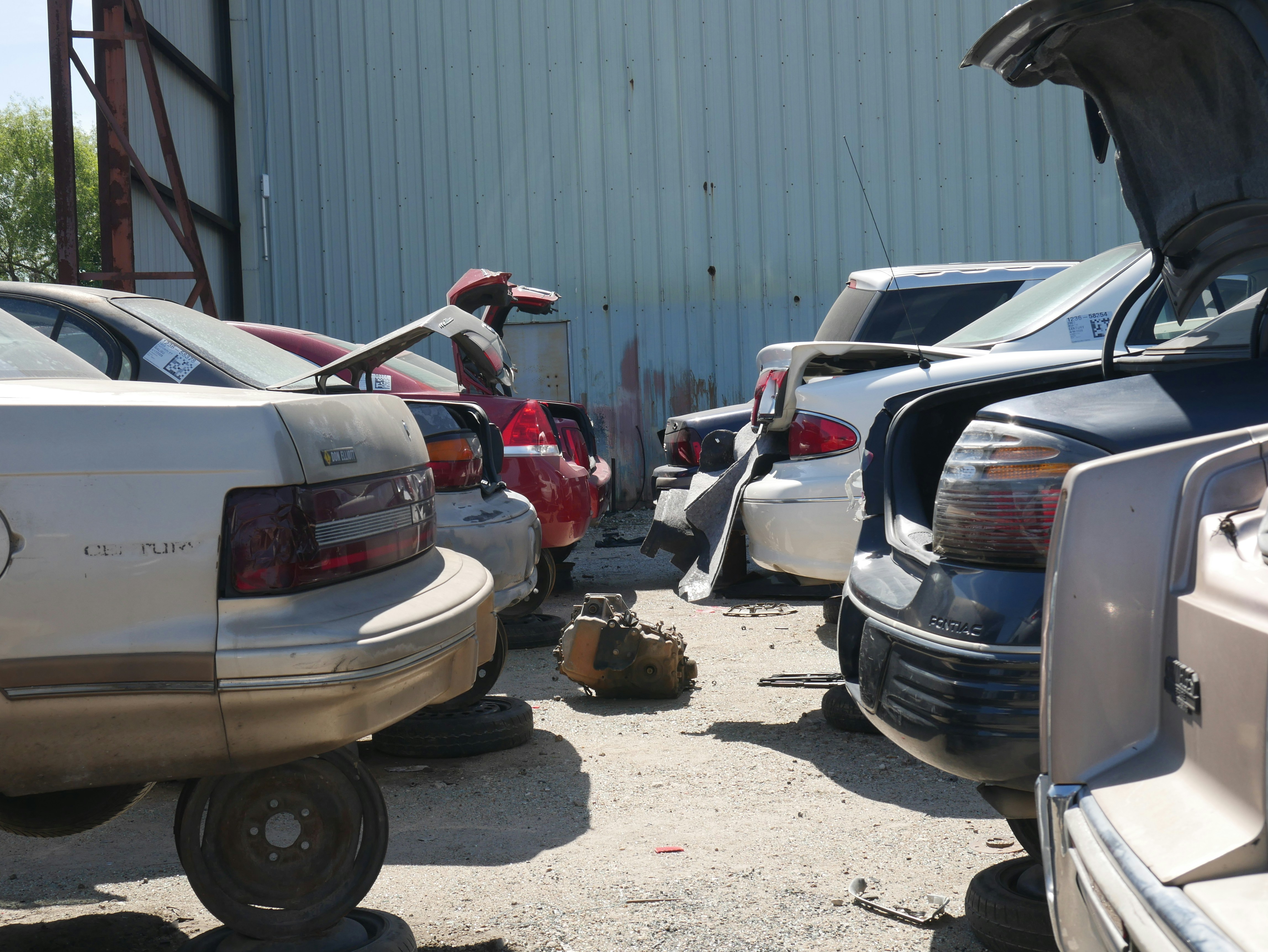
The exportation of used car parts has emerged as a significant segment within the global automotive industry. This sector focuses on the trade of pre-owned components, which not only provides a cost-efficient alternative for consumers but also operates within an increasingly eco-conscious framework. Over the past few decades, the demand for used car parts has surged, driven by a variety of factors including the rising costs of new parts and the need for affordable vehicle maintenance options. Simultaneously, the automotive industry grapples with sustainability challenges, prompting a shift towards the reuse and recycling of vehicle components.
The environmental benefits associated with the export of used car parts are noteworthy. By opting for pre-owned components, car owners contribute to a reduction in waste, as these parts would otherwise occupy landfills. The recycling process associated with dismantled vehicles minimizes the need for raw material extraction, significantly lowering the carbon footprint associated with manufacturing new parts. As a result, countries engaged in the export of used car parts not only support their local economies but also align with global sustainability objectives.
From an economic perspective, the trade of used car parts can be seen as a dual-edged sword. On one hand, it allows exporting nations to capitalize on their surplus of automotive components, thereby generating revenue and creating job opportunities within the dismantling and transportation sectors. On the other hand, these countries must ensure that quality standards are maintained, as poorly manufactured or shoddy parts can damage reputations and hinder growth within this competitive market. Overall, as the global demand for economically viable and environmentally sound solutions continues to rise, the export of used car parts stands out as a noteworthy focus for both the industry and consumers alike.
Understanding the Market Dynamics
The export of used car parts is significantly influenced by various market dynamics that shape supply, demand, and trade practices across different regions. One of the primary factors contributing to this dynamic is the burgeoning demand for economical vehicle maintenance solutions. As consumers seek cost-effective alternatives for vehicle repairs, the demand for used car parts has surged, making this market increasingly competitive. In response, exporters are adapting to the preferences of consumers by ensuring quality and reliability in the used parts they offer.
Global trade regulations also play a crucial role in shaping the export landscape for used car parts. Different countries have varying regulations regarding the importation of automotive components, which can either hinder or facilitate trade. Exporters must stay abreast of these legal frameworks to ensure compliance, which often involves understanding tariffs, restrictions, and environmental regulations. For instance, some nations may impose stringent standards on the condition of used car parts entering their markets, necessitating sellers to maintain high-quality standards to avoid potential barriers to entry.
In addition to regulatory aspects, the rise of online marketplaces has revolutionized how used car parts are bought and sold globally. Platforms such as eBay and specialized automotive websites have democratized access to a wider audience, allowing exporters to connect with consumers in different markets effortlessly. These online channels facilitate not only the marketing of used car parts but also provide opportunities for price comparison, thus driving competition and ultimately benefiting consumers. Ultimately, understanding these market dynamics is vital for exporters aiming to thrive in the used car parts industry, as they navigate consumer preferences, regulatory challenges, and the opportunities provided by evolving e-commerce platforms.
Top Countries Leading in Used Car Parts Exports
The global market for used car parts has seen significant growth, driven by rising demand for cost-effective automotive solutions and sustainability practices. Among the leading countries in this sector, several have emerged as key players, each offering distinct advantages and specializations in their exported products.
The United States remains a dominant force in exporting used car parts, with an extensive network of salvage yards and distributors. It is estimated that the country exports millions of tons of used automotive components annually. Specialized in a wide range of parts, including engines, transmissions, and electronic systems, U.S. suppliers cater to a diverse international market, emphasizing quality and compliance with global automotive standards.
Germany also stands out as a top exporter of used car parts, particularly known for its premium automotive brands like BMW, Audi, and Mercedes-Benz. The focus here is largely on high-quality, durable components such as luxury car parts and mechanical systems. The German used car parts market has developed a reputation for precision engineering, attracting buyers from across Europe and beyond.
Japan, renowned for its automotive innovation, is another significant player in the used car parts export arena. With a strong emphasis on hybrid and electric vehicles, Japanese exporters specialize in electronic and mechanical parts from companies like Toyota and Honda. These components are sought after due to their reliability and advanced technology, appealing to markets in Asia, Africa, and the Americas.
In addition to these, countries like the United Kingdom and South Korea are also gaining traction in the used car parts sector, diversifying their offerings and expanding their export capabilities. By examining these leading exporters, a comprehensive understanding of the used car parts market can be established, highlighting the unique features and competitive advantages that each country brings to the global stage.
Challenges Faced by Exporters
Exporters of used car parts encounter a myriad of challenges that significantly impact their operations and profitability. One of the foremost issues is quality control. Ensuring that the used components meet the required standards for functionality and safety is crucial. Discrepancies in quality can lead to customer dissatisfaction, product returns, and even legal repercussions. Exporters must implement stringent inspection processes and quality assurance measures to mitigate these risks, which can elevate operational costs.
Regulatory compliance is another significant challenge in the exportation of used car parts. Various countries impose stringent regulations regarding the import of second-hand goods, particularly automotive components. Exporters need to navigate complex legal requirements, certifications, and documentation to ensure compliance with both domestic and foreign laws. This can often result in delays, additional administrative burdens, and increased costs, making the exporting process more cumbersome.
Logistics also plays a vital role in determining the success of used car parts exporters. The process of transporting parts from one location to another can be fraught with difficulties, including shipping delays, damage during transit, and high transportation costs. Exporters must establish efficient supply chain management strategies and reliable partnerships with shipping companies to address these logistical challenges effectively. Failure to do so can severely affect timely delivery and overall customer satisfaction.
Lastly, competition from suppliers of new car parts presents a formidable hurdle for exporters of used components. As consumers increasingly lean towards new parts due to perceptions of reliability and performance, used parts providers must find ways to differentiate their offerings. This can involve emphasizing sustainability, cost-effectiveness, and the holistic benefits of choosing second-hand components over new ones. In navigating these challenges, used car parts exporters must adopt innovative strategies to stay relevant in a competitive marketplace.
Regulations Governing Used Car Parts Exports
The export of used car parts is a complex process governed by a myriad of regulations that vary significantly across different regions and countries. These regulations are designed to ensure safety, environmental protection, and consumer rights. At the international level, organizations such as the United Nations and the World Trade Organization play a role in developing frameworks that member countries can follow. While these frameworks provide a general guideline, each country will have its own specific regulations that apply to the exportation of automotive components.
In the European Union, for instance, the Waste Shipment Regulation imposes stringent controls on the export of waste, which can include used car parts. Exporters must provide documentation proving that their items comply with environmental standards. Similarly, countries like the United States have regulations enforced by the Environmental Protection Agency (EPA) that may affect the export of used parts, particularly when they involve hazardous materials. Exporters must be diligent in ensuring compliance with both domestic and international laws to avoid potential legal issues.
Moreover, importing countries often have distinct regulations. For example, Japan has strict quality control measures and requires used parts to be thoroughly inspected before they can be imported. These requirements can create challenges for exporters who must invest time and resources into meeting these regulatory standards. Additionally, countries like Nigeria and India have specific guidelines regarding the importation of used car parts, which may involve tariffs or restrictions on certain items.
Understanding these regulations is crucial for exporters of used car parts. Non-compliance can lead to significant penalties, including financial losses and damage to reputation. Consequently, businesses operating in this sector must stay continuously informed about the evolving regulatory landscape to navigate the complexities of international trade successfully.
Notable Players in the Used Car Parts Export Industry
The used car parts export industry has seen significant growth, driven by several notable companies that have established themselves as key players in this market. One such company is LKQ Corporation, a publicly traded firm headquartered in the United States. LKQ specializes in the wholesale distribution of used auto parts, offering a wide range of components for various vehicle makes and models. Their strategic business model focuses on acquiring smaller local salvage yards, enhancing their inventory while expanding their market reach. This approach not only increases the availability of used parts but also allows for competitive pricing due to economies of scale.
Another important player is Autobahn, which operates globally with a focus on high-quality used parts sourced primarily from Europe and Japan. Autobahn’s unique selling proposition lies in their rigorous quality control processes, ensuring that all parts meet strict performance and reliability standards. They leverage advanced technologies for inventory management, facilitating faster shipping times and improved customer service. This commitment to quality and efficiency has made them a trusted name among both retailers and consumers.
In addition, companies like PartSouq have recently gained attention for their innovative online platforms that connect buyers with suppliers of used car parts. By utilizing e-commerce strategies, PartSouq has transformed the purchasing experience, making it easier for consumers worldwide to access a diverse selection of parts. Their model emphasizes transparency in pricing and the use of detailed product descriptions, contributing to a user-friendly environment. As the trend towards online shopping continues to grow, companies like PartSouq are poised to reshape how used car parts are marketed and sold.
These companies exemplify the diverse approaches taken within the used car parts export industry, highlighting the interplay between quality, accessibility, and technological advancements. Their sustained contributions are instrumental in meeting the increasing global demand for used vehicle components.
Future Trends in Used Car Parts Export
The export market for used car parts is undergoing significant transformation driven by technological advancements, increasing sustainability efforts, and the rise of electric vehicles (EVs). As technology continues to advance, the process of sourcing, processing, and exporting used car parts has become increasingly efficient. Automation and digital platforms are streamlining operations, reducing lead times, and enhancing the accuracy of inventory management. This shift towards a more tech-centric approach is empowering exporters to respond swiftly to global demand and improve the overall customer experience.
Sustainability is another critical factor influencing the export of used car parts. As environmental concerns heighten, many businesses are adopting practices that reduce waste and promote recycling. Used car parts provide a sustainable alternative to new components, enabling consumers and manufacturers to lower their carbon footprints. Exporters are now more frequently highlighting the ecological benefits of sourcing pre-owned car parts, which not only helps the environment but also meets the growing consumer demand for sustainable products. This trend is likely to foster collaborations between exporters and environmentally-conscious companies, ultimately creating a more sustainable industry.
The rise of electric vehicles also presents unique opportunities and challenges for the used car parts export market. As the automotive landscape shifts towards electrification, traditional car parts are being supplemented with new components specifically designed for EVs. Exporters will need to adapt to this trend by diversifying their inventories to include parts suitable for electric and hybrid vehicles. This adaptive approach will ensure they remain relevant and competitive in a rapidly changing market. As these vehicles become more prevalent, the demand for their unique parts may drive new marketing strategies and export models, ultimately shaping the future landscape of the used car parts export industry.
Consumer Perspectives on Used Car Parts
Consumers today have a multifaceted perspective regarding their vehicle maintenance needs, particularly when it comes to used car parts. The rising costs of vehicle ownership have driven many to explore alternatives, and used car parts have garnered considerable attention for their cost-effectiveness. According to various surveys, a significant number of consumers express that the affordability of used parts plays a crucial role in their decision-making process, especially for those with limited budgets. The allure of saving money without compromising significantly on quality is appealing to a broad audience.
Quality and reliability are paramount concerns for consumers considering used car parts. Many individuals often harbor skepticism regarding the durability and performance of secondhand components. However, a growing segment of the market recognizes that with the right due diligence, they can uncover high-quality parts. Research indicates that consumers usually seek parts with trustworthy histories, often focusing on those sourced from reputable dealers or documented manufacturers. This evaluation process often involves checking reviews, seeking recommendations from trusted mechanics, or visiting forums dedicated to automotive repair discussions.
Moreover, the internet has revolutionized how consumers research used car parts. Online platforms and marketplaces allow buyers to compare prices, read reviews, and, in many cases, view detailed descriptions of the items. This accessibility has created a more informed consumer base that values transparency and assurance about their purchases. As such, consumers are inclined to scrutinize warranty options and return policies associated with used parts, emphasizing their desire for reliability despite a reduced price tag. The combination of cost-effectiveness, perceived quality, and the ability to conduct thorough research ultimately shapes how consumers engage with the used car parts market.
Conclusion and Recommendations
In summary, the global market for used car parts is expanding, influenced by various factors, including environmental concerns, economic constraints, and consumer preferences. As discussed, the key exporters in this industry encompass a diverse range of players from different regions, each exhibiting unique strategies and strengths. Understanding these dynamics is essential for any exporter looking to thrive in this competitive landscape.
Exporters should prioritize building strong relationships with suppliers and customers to ensure a steady flow of quality parts. It is advisable to leverage digital platforms for outreach and marketing, thereby increasing visibility in an ever-competitive market. Diversifying offerings by including a wider range of parts can also mitigate risks and appeal to a broader customer base.
Potential challenges include regulatory changes, fluctuations in demand, and competition from emerging markets. Exporters must stay informed about international trade policies and consider developing contingency plans to adapt to sudden market changes. Sustainability is becoming increasingly important; therefore, companies should adopt environmentally friendly practices in sourcing and processing used car parts, as this could enhance their brand image and attract a more conscious consumer base.
Moreover, keeping abreast of technological advancements can provide a competitive edge. Innovations in logistics and e-commerce should be embraced to streamline operations and reach customers more efficiently. By understanding current market trends and consumer behaviors, exporters can tailor their strategies accordingly for optimal results.
In conclusion, by adopting a proactive approach and remaining adaptable, exporters in the used car parts market can navigate challenges effectively and achieve sustained growth in this evolving industry.